3D Project
Demoreel 2026
"Hajjan"
The film “Hajjan,” directed by Abu Bakr Shawky, was released in 2023. I had the opportunity to work on this project during my end-of-studies internship at the HECAT studio. The visual effects team included Chadi Abo, whom I would like to thank for the experience and the insights he shared with me on this project. My goal was to correct the vehicle meshes, rework the textures, and rig them (create their skeletons so they could be animated). My second task was to animate a looping camel race. Once the files were finished, they were used in the film’s post-production.
Particle VFX
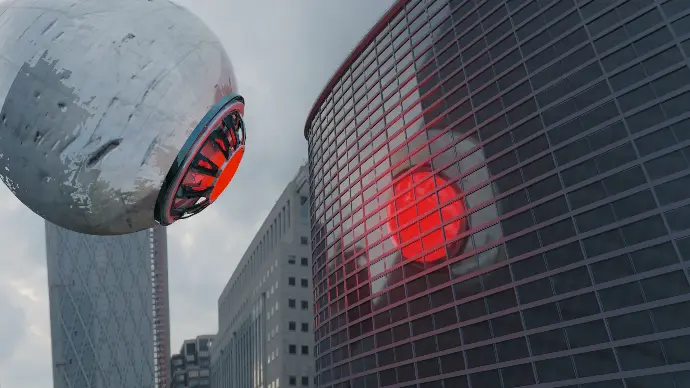
Particle VFX are a special type of visual effect that uses thousands of particles to simulate natural or magical phenomena such as smoke, fire, sparks, dust, water, falling leaves, swarms of insects, and so on. I work in Unreal 5 or Blender, depending on the intended result. They are often used in advertising to create stylized atmospheres or transitions, for example. They are also used in film and video games for action scenes such as gunfire, weather effects, and anything related to science fiction and fantasy.
3D modeling
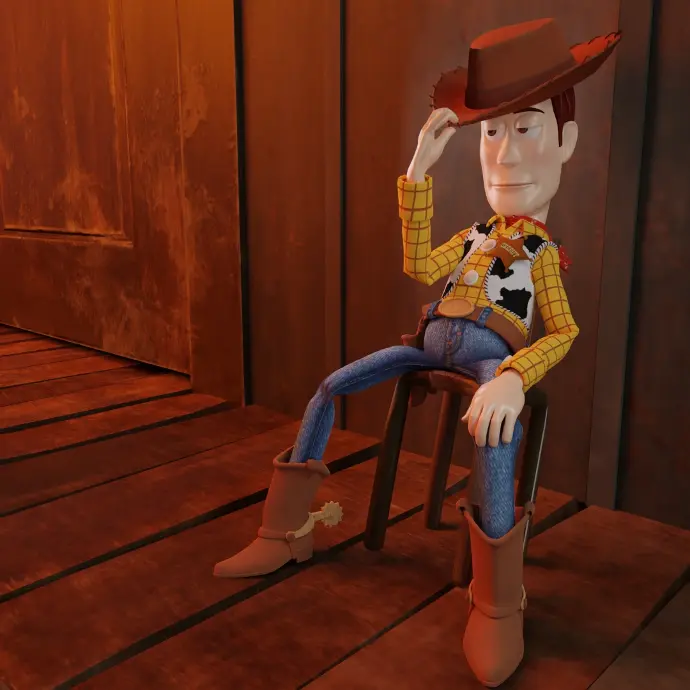
3D modeling is the process of creating three-dimensional objects or characters.
Once the basic shape has been created (like a digital sculpture), textures can be added to give it a realistic appearance (for example: metal, skin, wood), and then the model can be “rigged”—that is, a skeleton can be created that will allow it to move for animations, as in video games or animated films.
It's a bit like building a digital puppet: you create its shape, paint its surface, and then set up a system to make it move.
Animation 3D
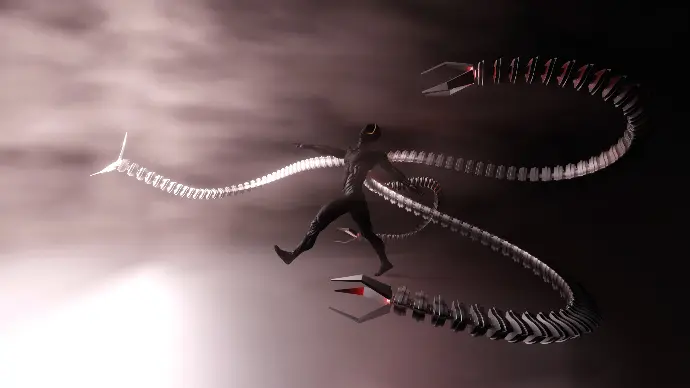
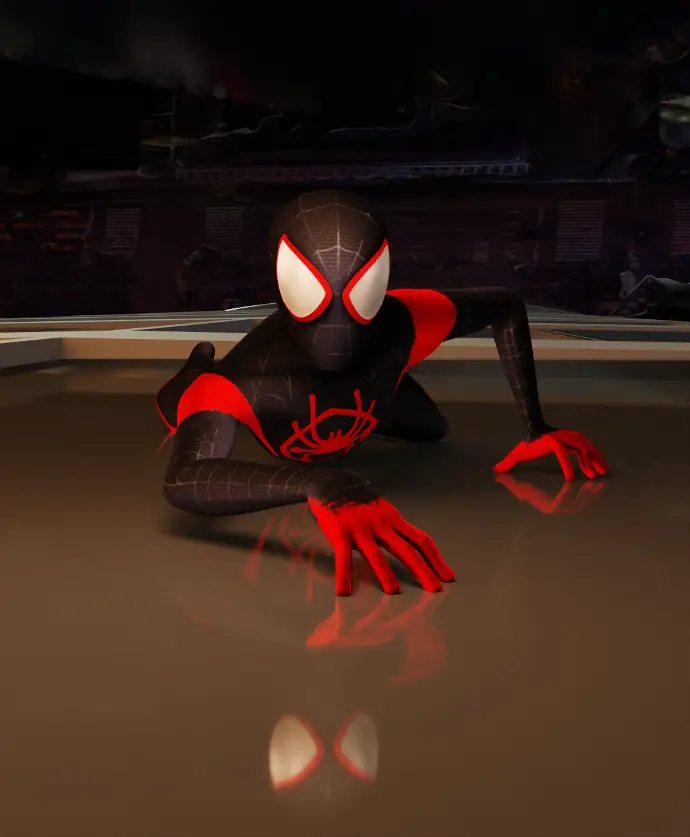
3D animation defines the position and movements of objects or characters over time. Animators create keyframes to mark key poses, allowing them to represent the movement between these poses using curves. I typically use software such as Blender or Unreal Engine for this process.
Learn more
3D printing
3D printing is a technique that allows you to create physical objects, layer by layer, from a computer-designed model.
It all starts with 3D modeling: we use software to create a virtual model of an object. This model is then prepared (sliced into layers) so that it can be read by the 3D printer.
The printer then builds the object by depositing material—often molten resin—until the final shape is achieved.
Once printed, the object can be sanded, assembled, and then painted to give it a finished, realistic, or artistic look.
Learn more